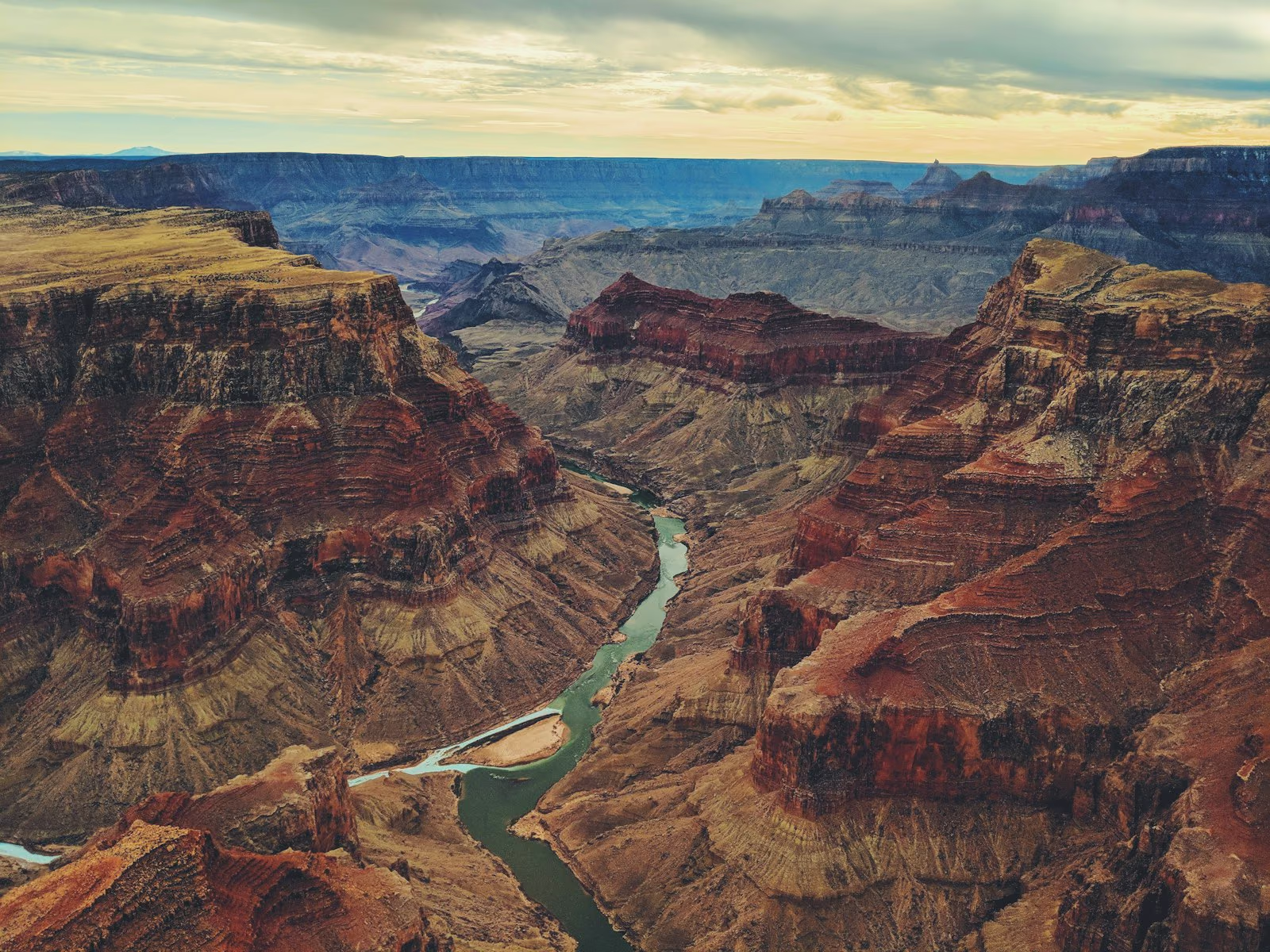
Grand Canyon
“A canyon so vast it makes its own weather.”
- Signature
- Rim country weather
- Best for
- photography · hikes · sunsets
- Where
- United States
- Peak months
- May · Jun · Jul · Aug
One of Earth's grandest chasms — where two rims live under different weather.
Grand Canyon National Park is one of those places where the weather genuinely changes the trip. The South Rim at 7,000 feet elevation runs surprisingly cool in summer and can drop below freezing at night in October. The North Rim, 1,300 feet higher, closes for snow every winter. July and August bring the North American Monsoon, whose dramatic afternoon thunderstorms are among the most photographed skies in the American Southwest — but also carry lightning risk on exposed viewpoints.
Below, we distill ten years of climate records into month-by-month verdicts. The best months for most travellers are May, September, and October: mild days, cool nights, no monsoon lightning, and reasonable crowds. Peak-season July delivers the storm skies photographers travel for, but the crowds are relentless. Winter brings solitude and snow-dusted red rock, at the cost of cold nights and some closed roads.
Grand Canyon, four ways.
Every destination is really four destinations, worn by the seasons. Here — the four faces of the year in Grand Canyon.
September — October: cool crisp air, autumn aspens, ideal hiking.
When to book, when to skip.
When Grand Canyon is at its best
No months are especially difficult here.
Flight prices, month by month.
Estimated round-trip fares from London, based on a 7-day stay. Rule-of-thumb pricing — the cheapest windows tend to be the shoulder months, so a shift of a fortnight can pay for a hotel.
★ January looks like the cheapest month for flights to Grand Canyon — often £234 less than the peak. Fares refresh daily; live prices below.
Book on WayAway →Twelve months, read them each.
Now, book Grand Canyon.
You have the weather. You have the season. Only one thing left.