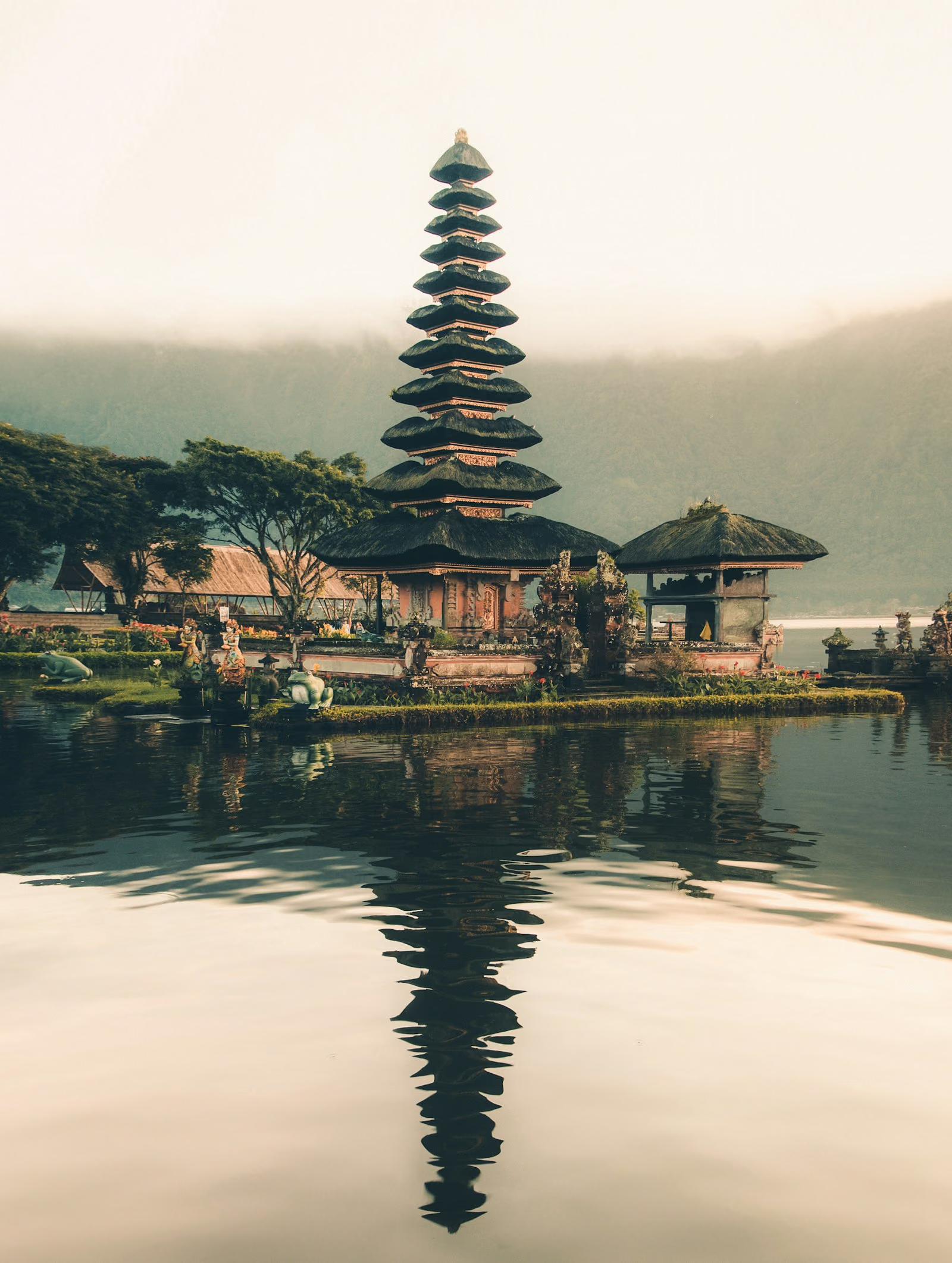
Bali
“The kind of island that unwinds you before you notice.”
- Signature
- Dry season, wet season
- Best for
- beaches · yoga · surf
- Where
- Indonesia
- Peak months
- Jul · Aug
Terraced rice, incense, and the sound of the gamelan.
Here's the thing about Bali that nobody tells you: the island sits just 8 degrees south of the equator, which means "seasons" here don't work the way you'd think. There's no spring or autumn—just a dry season (which locals basically live for) and a wet season (when things get properly soggy). If you're planning 2026, your sweet spot is July and August, when the island finally dries out and the humidity actually becomes bearable. Highs settle around 28–29°C (82–84°F), which sounds hot until you realize how much better that feels when the air isn't saturated with moisture. The catch? Everyone else knows this too.
July and August feel completely different from each other, even though they're both technically "dry." July hits like a switch—locals call it the start of peak season, and you'll feel it in the energy. Prices jump, beaches get busier, and the light is absolutely gorgeous for photography (that 9.9 hours of daily sunshine really shows up). August keeps the dry conditions but adds this weird vibe where the tail end of school holidays means families flood in, so it's chaotic in a different way. If you want fewer people but the same weather, July's your month. If you don't mind the crowds but want to catch big cultural festivals, August sometimes has temple ceremonies that are worth the extra bodies around.
Now, December through February? That's when you skip Bali unless you're specifically into monsoon travel (yes, some people are). January and February bring the heaviest rains—we're talking 200+ mm some months—and that annual rainfall total of 2,442 mm dumps most of itself during these three months. Roads flood, some rural areas become genuinely hard to access, and businesses in smaller towns just... close for a bit. The humidity sits at 80%+ and highs only drop to around 26–27°C (79–81°F), so you're sweating in standing water. September through November is the shoulder season if you want to avoid the worst of it, but even then you're gambling with afternoon downpours.
Looking at 2026 specifically: Bali's climate has been trending slightly warmer and wetter over the past decade, which means the dry season is becoming more precious and the wet season more intense. By 2026, booking accommodation in July is basically non-negotiable if you want decent rates—the early-bird advantage disappears fast. The island's infrastructure is also handling crowds better than it used to, so even peak season isn't quite as chaotic as it was five years ago, but it's still crowded.
Bali, four ways.
Every destination is really four destinations, worn by the seasons. Here — the four faces of the year in Bali.
When to book, when to skip.
When it fights back
Flight prices, month by month.
Estimated round-trip fares from London, based on a 7-day stay. Rule-of-thumb pricing — the cheapest windows tend to be the shoulder months, so a shift of a fortnight can pay for a hotel.
★ June looks like the cheapest month for flights to Bali — often £279 less than the peak. Fares refresh daily; live prices below.
Book on WayAway →Twelve months, read them each.
Guides mentioning Bali

Bali Weather: A Complete Month-by-Month Guide (2026)
11 complete years of climate data (2015–2025) for Bali — best months for surf, diving, temples, and honeymoons. Which month you visit changes everything.

5 Destinations That Are Cheaper — and Better — in Shoulder Season
Five popular destinations where shoulder-season pricing drops 40%+ and the weather actually improves. A data-driven case for the smart traveler.

Best Time to Visit Bali: Weather, Dry Season & Crowds
The best time to visit Bali is April to October — the dry season. But which months are the sweet spot? A data-first breakdown.
Now, book Bali.
You have the weather. You have the season. Only one thing left.