
Sedona
“A town built at the base of light itself.”
- Signature
- Red rock high desert
- Best for
- hikes · photography · vortex sites
- Where
- United States
- Peak months
- Apr · May · Sep · Oct
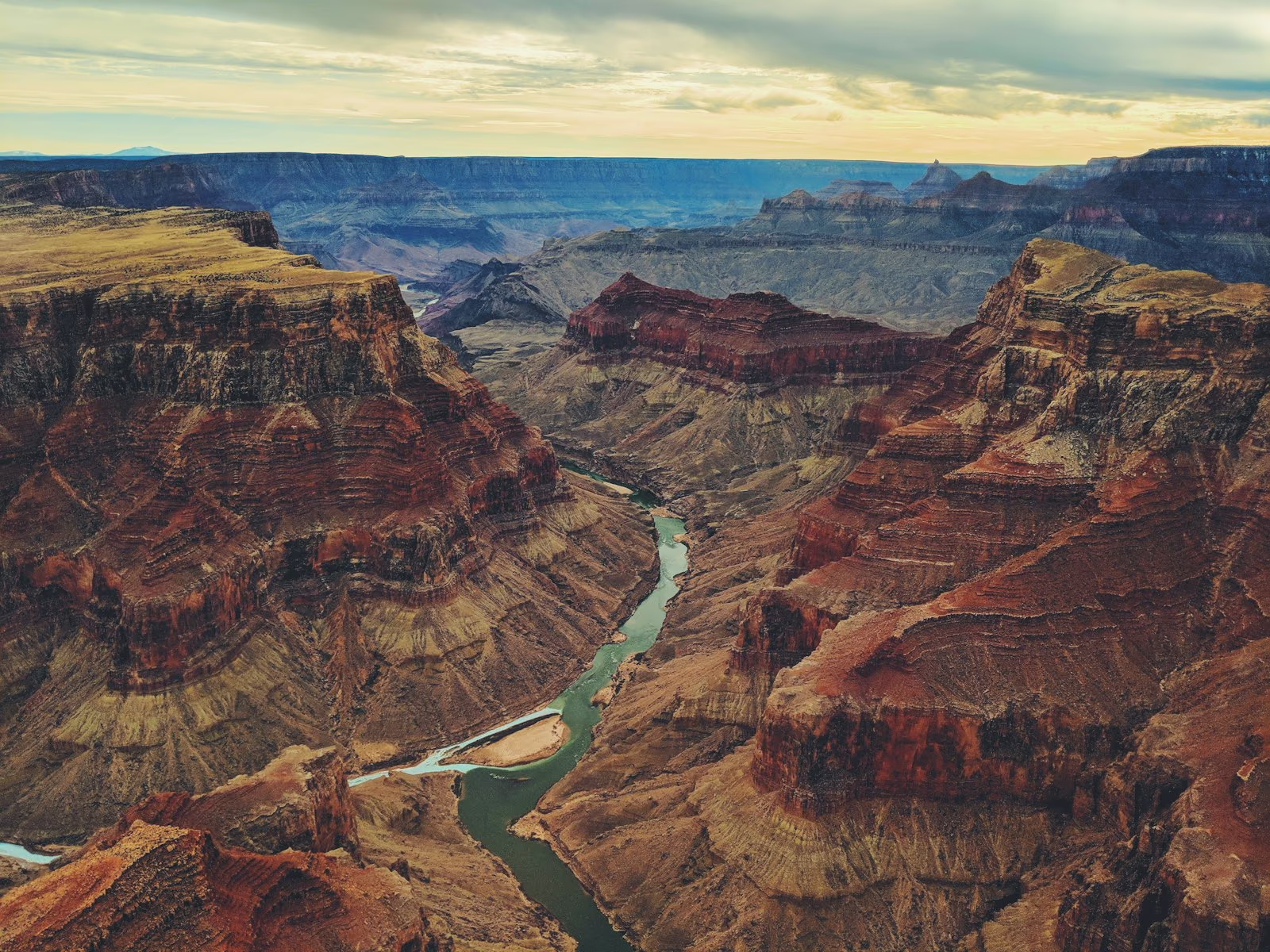
Sandstone towers glowing crimson, and the light photographers travel for.
Here's the thing about Sedona that catches a lot of people off guard: it's a high desert, sitting at 1,350 meters (4,430 feet), which means the temperature swings are wild. You get roughly 10.9 hours of daily sunshine year-round—seriously, that's almost every single day—but what matters way more is when that sun feels like a gift versus a punishment. April, May, September, and October are your goldilocks months, and I'm not just saying that because everyone else does. These months hit differently here.
April and May are spring in the truest sense: highs hover around 26–28°C (79–82°F), nights drop to a crisp 13–15°C (55–59°F), and the light at dawn and dusk is absolutely unreal for photography or just sitting on a patio. Wildflowers are scattered across the landscape, and the crowds haven't yet hit peak summer madness. September and October flip the script—it's autumn creeping in, with highs around 24–27°C (75–81°F) and that particular clarity in the air that makes the red rocks feel sharper, more defined. September still carries monsoon risk (brief, intense afternoon storms), but by October, the weather settles into something almost meditative. Crowds thin out after Labor Day, prices drop, and you actually get elbow room on the trails.
The months to genuinely avoid: June through August. Highs regularly spike past 35°C (95°F), sometimes touching 37–38°C (99–100°F), and the dry heat is relentless—you'll drain a water bottle before noon. July and August also bring the North American monsoon season, which means afternoon thunderstorms that can close hiking trails without warning. Plus, everything tourist-facing gets mobbed with families on summer break, and accommodation prices spike. Winter (December–February) is mild compared to other US destinations—highs around 13–16°C (55–61°F)—but it's still cool enough that some visitors find it chilly for outdoor exploring, and occasional rain disrupts plans.
Looking at 2026 specifically: Sedona's climate hasn't shifted dramatically in recent years, so expect the historical patterns to hold. Spring will arrive on schedule, and autumn will follow. If anything, the trend across the Southwest suggests slightly drier conditions, which means less monsoon unpredictability in late summer—but I wouldn't bank on that. The real shift is psychological: as the Southwest gets hotter overall, those April–May and September–October windows are becoming more precious, and more crowded. Book early if you're targeting those months.
Sedona, four ways.
Every destination is really four destinations, worn by the seasons. Here — the four faces of the year in Sedona.
When to book, when to skip.
When Sedona is at its best
No months are especially difficult here.
Flight prices, month by month.
Estimated round-trip fares from London, based on a 7-day stay. Rule-of-thumb pricing — the cheapest windows tend to be the shoulder months, so a shift of a fortnight can pay for a hotel.
★ January looks like the cheapest month for flights to Sedona — often £234 less than the peak. Fares refresh daily; live prices below.
Book on WayAway →Twelve months, read them each.
Now, book Sedona.
You have the weather. You have the season. Only one thing left.