
5 Destinations That Are Cheaper — and Better — in Shoulder Season
Five popular destinations where shoulder-season pricing drops 40%+ and the weather actually improves. A data-driven case for the smart traveler.
“Shoulder season” is the industry's polite phrase for “not the season you're supposed to want.” But for five popular destinations, that reversal — going in the wrong month by tourist logic — is actively the better decision. Weather improves, prices collapse, and the destination becomes the version of itself the residents actually enjoy.
Here are five, with the data behind each verdict.
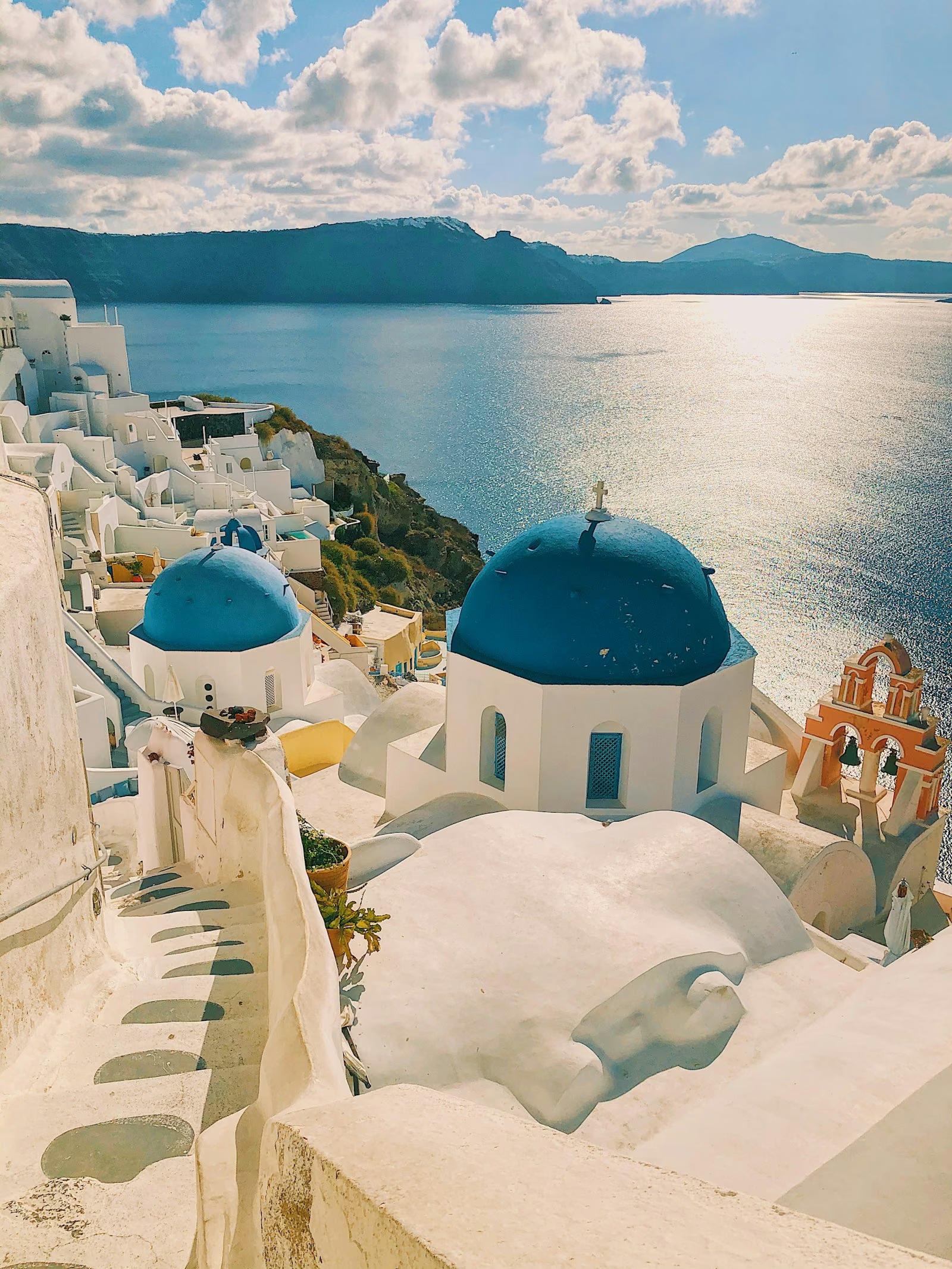
1. Santorini in May
Peak-season Santorini in July costs, on average, €280 per night for a caldera-view cave hotel. In May, the same room is €140–170. Half the price.
The weather? May averages 23°C by day, 14°C at night, near-zero rainfall, and 10 hours of daily sunshine. July is 28°C — 5 degrees hotter, and honestly less comfortable for walking the caldera path. The sea is still cool in May (18°C) so beach swimming is limited, but for photography, hiking, and terrace dinners, May is objectively better than July. Book May, save €1,400 on a week's stay.
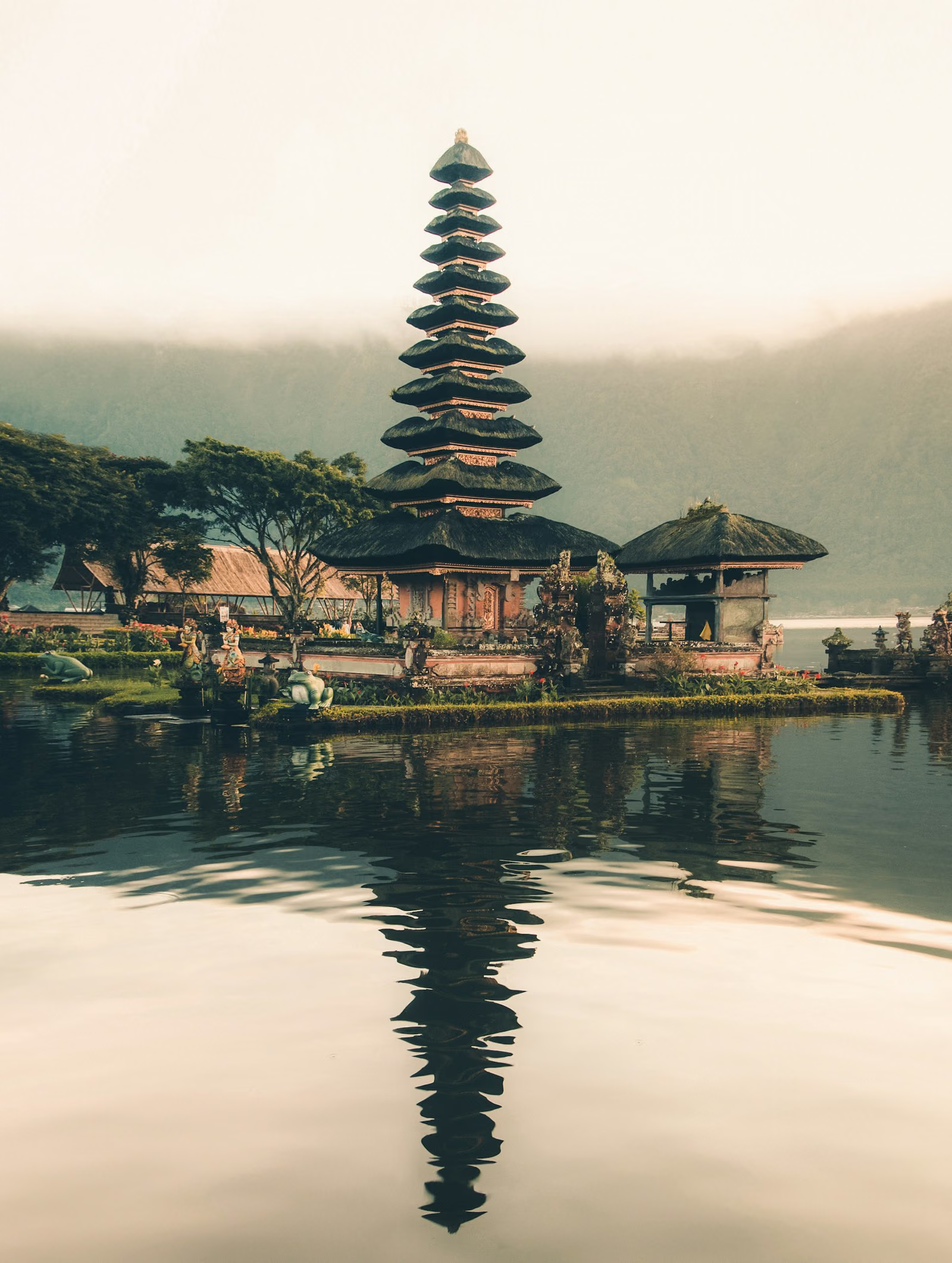
2. Bali in May
May is the transition from wet to dry season in Bali — rainfall drops to 90mm from March's 200mm, humidity eases, and the whole island greens out from months of rain. Villa prices in Ubud and Canggu are 30–40% below the July-August peak. Surf is excellent, diving visibility is at its yearly best, and the crowds haven't peaked yet.
Peak-season Bali in July has 27°C days and dry conditions. May Bali has 27°C days and 5 rainy days across the month — statistically insignificant. But the villa you paid €200/night for in July is €120/night in May.
3. Kyoto in November
Everyone travels to Kyoto for cherry blossom in April — hotel prices peak at 200% of normal, and every temple has queues. But Kyoto in November has autumn colors that are, in local opinion, more beautiful than the sakura. The maple foliage at Tofuku-ji temple, at the Philosopher's Path, at Kiyomizu-dera — Japanese people from Tokyo make special trips for it.
November prices for Kyoto ryokans (traditional inns): 40% below April. Weather: 16°C by day, 6°C at night, low rainfall, brilliantly clear skies. Photography light is exceptional. You save money and see arguably the better Kyoto.
4. Iceland in September
Iceland's tourism peaks July–August for midnight sun, when hotel rates in Reykjavik run €350+ per night. But September is when the northern lights become visible again — the skies darken enough — and hotel rates drop 30–45%. Highland roads (F-roads) remain passable through mid-September, so you keep most of the summer's driving flexibility.
September Iceland: 12°C day, 6°C night, meaningful rain (95mm across 14 days) but also the first aurora appearances of the season. If you want both landscape driving AND aurora, September is the only month that delivers both. Peak-season Iceland gives you long light but no aurora at all.
5. Marrakech in March
Marrakech in July is a punishing 38°C by day. Even the locals retreat to shaded courtyards. Tourism drops so much that many riads (traditional Moroccan guesthouses) close for August.
Marrakech in March: 24°C by day, 11°C at night, five hours of sunshine, no rain to speak of, and desert clarity in the light. Riad prices are 25–30% below the November-December peak. This is when Marrakech is at its most pleasant — before the summer heat, after the winter chill.
The pattern
In each case, the same logic applies. Tourist demand is calibrated to summer school holidays and cultural inertia (cherry blossom, midnight sun, Christmas markets). Real climatic ideal doesn't always match. The gap between “when everyone goes” and “when it's actually best” is where value hides — and where the shoulder-season strategy pays off.
For every destination, our weather guides show the best months. Read them before booking, and you'll almost always find a shoulder-season alternative that saves 30–50% while genuinely improving the trip.
Read the full weather guide


Compare hotels for your trip
We link to Booking.com's search for the destinations above. We may earn a small commission — it doesn't change the price.

