Cape Town
“A city cornered by mountain, ocean, and history.”
- Signature
- The Cape's two winds
- Best for
- nature · wine · hikes
- Where
- South Africa
- Peak months
- Jan · Feb · Nov · Dec
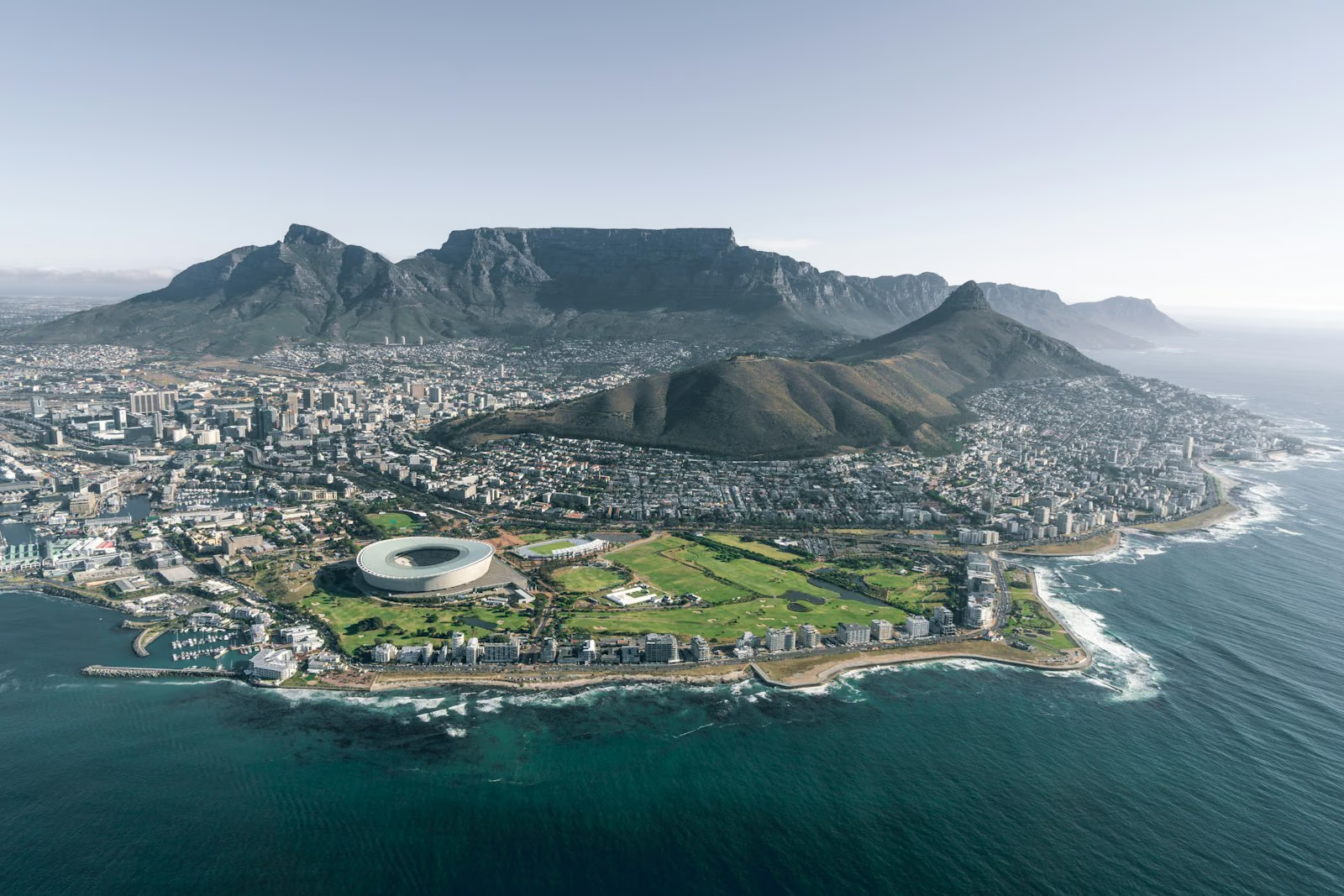
Table Mountain above, two oceans meeting below.
Here's the thing about Cape Town that catches people off guard: it's actually a winter rainfall city in a summer-dry country. So when you're dreaming of those postcard-perfect beach days, you need to think opposite to most of southern Africa. January, February, November, and December are your golden window—not because it's always blazing hot, but because the rain genuinely stops and the light turns that particular quality of African gold that makes you understand why photographers move here.
Let's break down what makes each month feel distinct. November and December are the spring edge—highs around 21–23°C (70–73°F), the jacarandas are still putting on a show, and the Atlantic beaches are actually swimmable without wincing. Crowds are building but not yet unbearable. January and February are peak summer: highs push toward 26–27°C (79–81°F), humidity climbs, and yes, it gets busy. But here's what the tourism boards won't tell you—February often sees the least rainfall of the year, and the light at 6am over Table Mountain is something you don't forget. Prices spike, but the long daylight (10+ hours of genuine sunshine daily) means you're actually getting value for money.
Avoid June through August if you can help it. Winter hits hard—rain averaging 80–120mm per month, temperatures dipping to 12–16°C (54–61°F), and the mountain gets cloaked in cloud. It's moody and atmospheric if you're into that, but outdoor plans get shelved constantly. September and October are the frustrating in-between: warm enough to tease you, but still wet enough to derail hiking and beach time. May is deceptive—beautiful on paper, but autumn rains are picking up and you'll catch the tail end of changeable weather.
Looking at 2026 specifically: Cape Town's been trending drier overall in recent decades, which is both good news for travelers and complicated for local water systems. The city's Mediterranean climate pattern is holding steady, so expect those four peak months to deliver what they've promised historically. The summer days will be warm but rarely scorching—nothing like the inland plateau. Winter's definitely coming, and it will be wet, but that's baked into the city's identity at this point.
Cape Town, four ways.
Every destination is really four destinations, worn by the seasons. Here — the four faces of the year in Cape Town.
When to book, when to skip.
When Cape Town is at its best
No months are especially difficult here.
Flight prices, month by month.
Estimated round-trip fares from London, based on a 7-day stay. Rule-of-thumb pricing — the cheapest windows tend to be the shoulder months, so a shift of a fortnight can pay for a hotel.
★ June looks like the cheapest month for flights to Cape Town — often £216 less than the peak. Fares refresh daily; live prices below.
Book on WayAway →Twelve months, read them each.
Now, book Cape Town.
You have the weather. You have the season. Only one thing left.