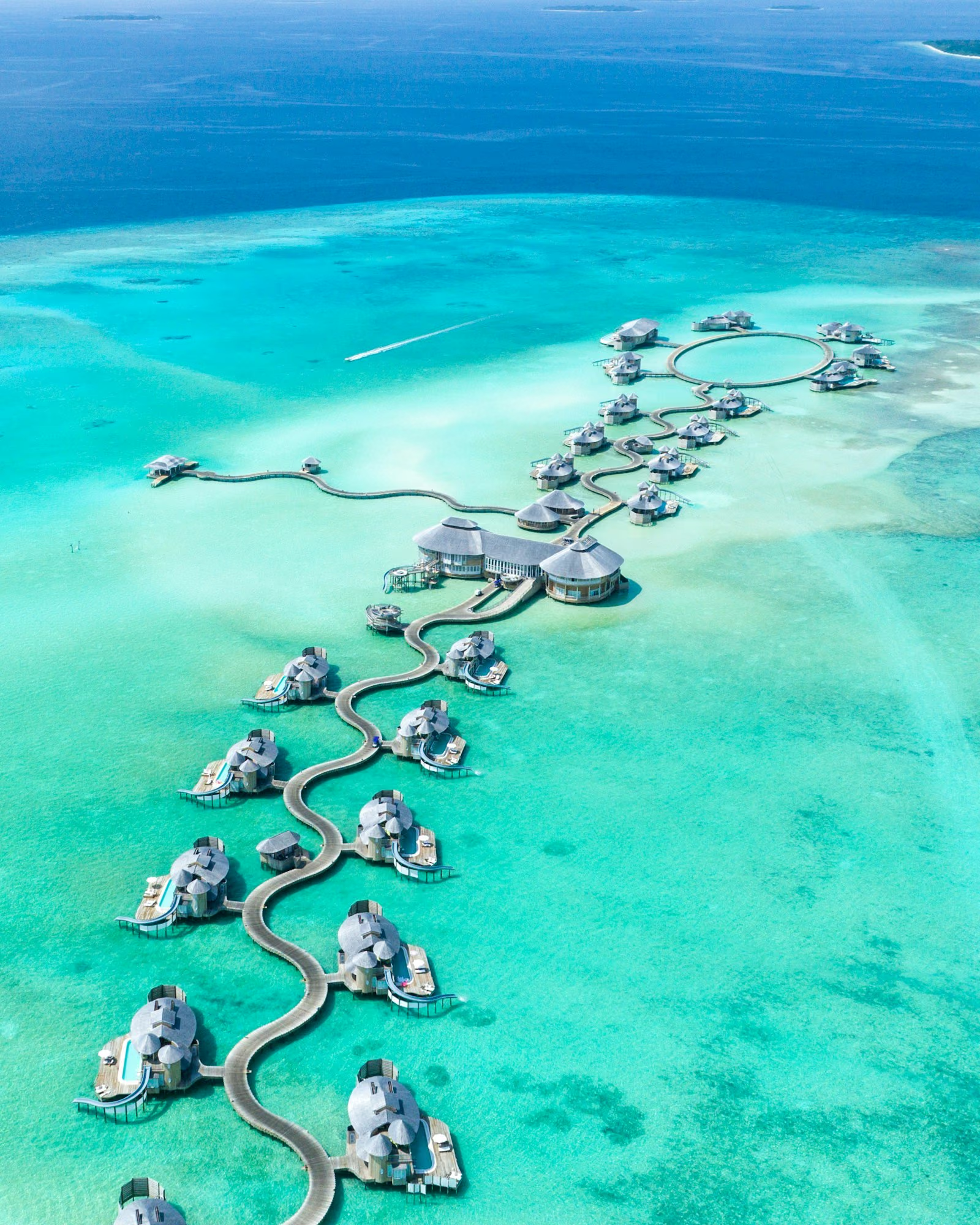
Maldives
“A place best understood one month at a time.”
- Signature
- The four seasons
- Best for
- climate · culture · discovery
- Where
- Maldives
- Peak months
- Feb · Mar · Jun
A destination worth the flight.
Here's the thing about the Maldives that nobody tells you upfront: it has two completely different seasons, and picking the wrong one will ruin your trip. The dry season (January through March, plus June) is when you actually want to be here—calm turquoise water, visibility down to 30+ meters, and you won't get drenched every afternoon. The wet season (May, October, November especially) brings heavy monsoon rains, rough seas that make boat transfers miserable, and resorts that feel half-empty because even locals know better.
January, February, and March are the golden months—highs around 28–29°C (82–84°F), lows around 24°C (75°F), and you get roughly 10 hours of daylight to actually enjoy the water. January draws the most crowds (and highest prices), but the light is sharp and clear. February is slightly quieter while maintaining that same crisp visibility. March starts warming up and gets a bit more humid, but it's still genuinely pleasant—this is when savvy travelers go because they skip the January crush. Then there's June, which sounds weird as a "best month," but it's the shoulder between seasons: fewer tourists, lower prices, and the water is still swimmable even if afternoon showers are more frequent.
May, October, and November? Avoid them like a sinking resort. May and October hit you with the Southwest Monsoon—torrential rain, 30+ cm of monthly rainfall, and seas rough enough that some resorts restrict water activities. Humidity peaks, visibility underwater drops to maybe 10 meters, and you're basically paying resort prices to watch rain. November is the transition month where you'd think it's improving, but it's still wet, still unpredictable, and you're caught between seasons with no real benefit.
Looking at 2026 specifically: the Maldives sits right on the equator, so climate patterns are shifting slightly with global warming—expect the dry season to remain reliable, but May–November are getting wetter and more volatile than they were 10 years ago. If you're planning for 2026, book January–March if you want the textbook experience, or take a calculated risk on June if you're flexible and want fewer crowds.
Maldives, four ways.
Every destination is really four destinations, worn by the seasons. Here — the four faces of the year in Maldives.
When to book, when to skip.
When Maldives is at its best
When it fights back
Flight prices, month by month.
Estimated round-trip fares from London, based on a 7-day stay. Rule-of-thumb pricing — the cheapest windows tend to be the shoulder months, so a shift of a fortnight can pay for a hotel.
★ June looks like the cheapest month for flights to Maldives — often £279 less than the peak. Fares refresh daily; live prices below.
Book on WayAway →Twelve months, read them each.
Now, book Maldives.
You have the weather. You have the season. Only one thing left.