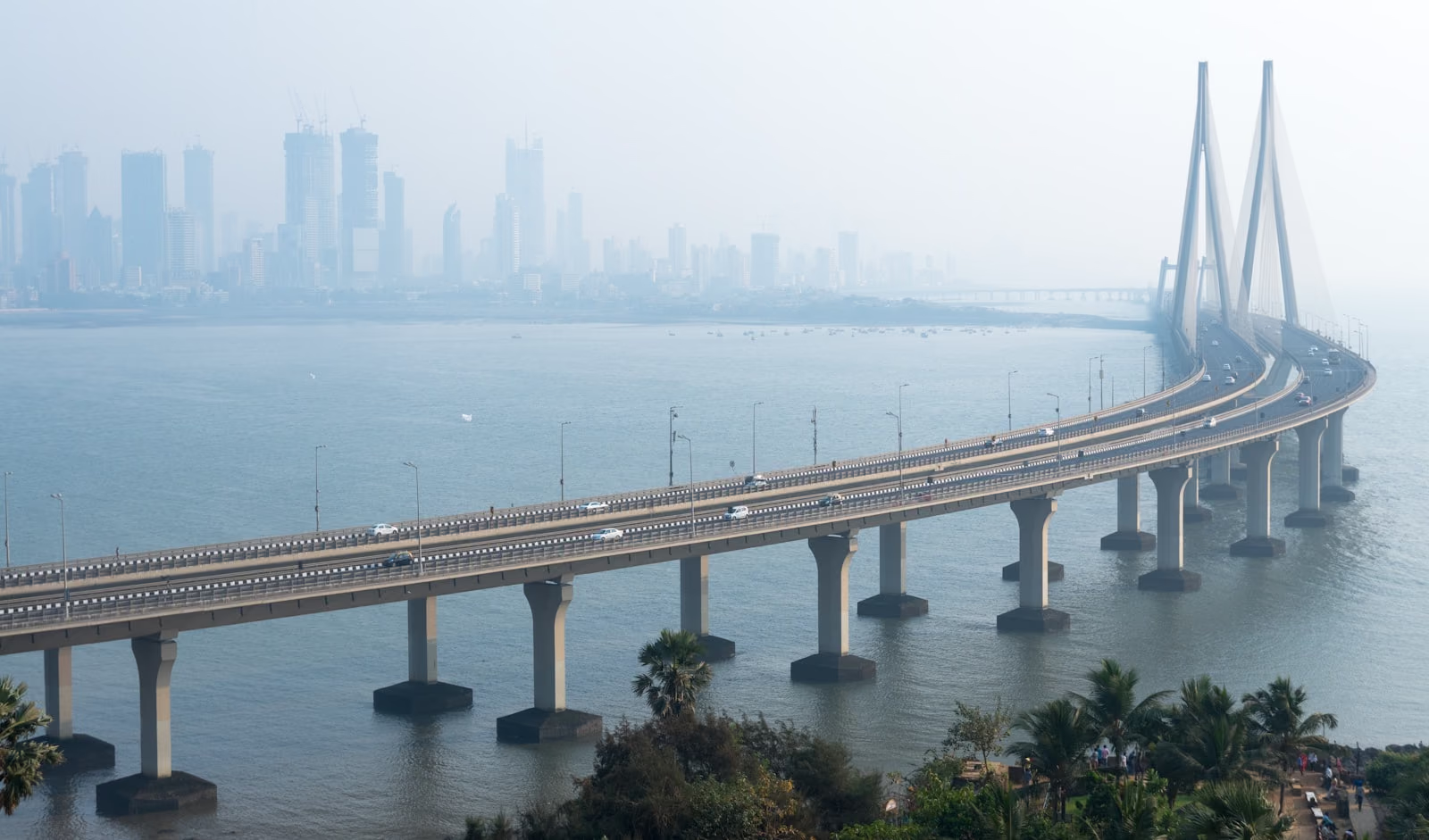
Mumbai
“A place best understood one month at a time.”
- Signature
- The four seasons
- Best for
- climate · culture · discovery
- Where
- India
- Peak months
- Jan
A destination worth the flight.
Here's the thing about Mumbai: most travelers get it wrong. They think it's always a sauna, but spend November through early February here and you'll realize why locals actually leave their houses. The sweet spot is October to February — when the monsoon has finally packed up, humidity drops from suffocating to merely warm, and you can actually walk around the Gateway of India without feeling like you're inside a steam room. October is the transition month (still humid, but clearing fast), while November through January are genuinely pleasant, with highs around 32°C (90°F) and lows dipping to 18°C (64°F) at night. February starts heating up again, but it's still manageable.
Each of these months has its own vibe. October catches the tail end of monsoon drama — the city's still wet, prices are low, and crowds are thin, which is great if you're into that post-storm freshness and don't mind occasional showers. November is when things really shift: the air clears, festivals start ramping up (Diwali usually falls here), and you'll see locals actually smiling on the street. December and January are peak season — expect higher prices, more tourists, but also the most comfortable weather to explore. The light is clearer, mornings are crisp, and sunset at Worli Sea Face actually feels cool rather than oppressive. February is still decent but you can feel the heat building; by late February, humidity's creeping back in.
Avoid May through September — and I mean seriously avoid it. May and June are brutal: highs pushing 38°C (100°F) with that pre-monsoon humidity that makes you question life choices. The monsoon itself (June–September) is relentless. Yes, the city looks green and moody, but streets flood, traffic becomes a nightmare, flights get delayed constantly, and honestly, most businesses and attractions operate at reduced capacity. If you're not specifically there for the rain romance, this period will exhaust you.
Looking at 2026 specifically: the last few years have shown Mumbai's monsoons arriving earlier and staying more intense due to broader climate patterns. October 2026 will likely still have moisture in the air longer than historical averages — don't be surprised if the first week is grayer than expected. But by mid-October, the shift should happen. Plan your trip for late October onward if you want the classic Mumbai experience, and you'll avoid the worst of both the tail monsoon and the peak-season crowds.
Mumbai, four ways.
Every destination is really four destinations, worn by the seasons. Here — the four faces of the year in Mumbai.
When to book, when to skip.
Flight prices, month by month.
Estimated round-trip fares from London, based on a 7-day stay. Rule-of-thumb pricing — the cheapest windows tend to be the shoulder months, so a shift of a fortnight can pay for a hotel.
★ January looks like the cheapest month for flights to Mumbai — often £243 less than the peak. Fares refresh daily; live prices below.
Book on WayAway →Twelve months, read them each.
Now, book Mumbai.
You have the weather. You have the season. Only one thing left.