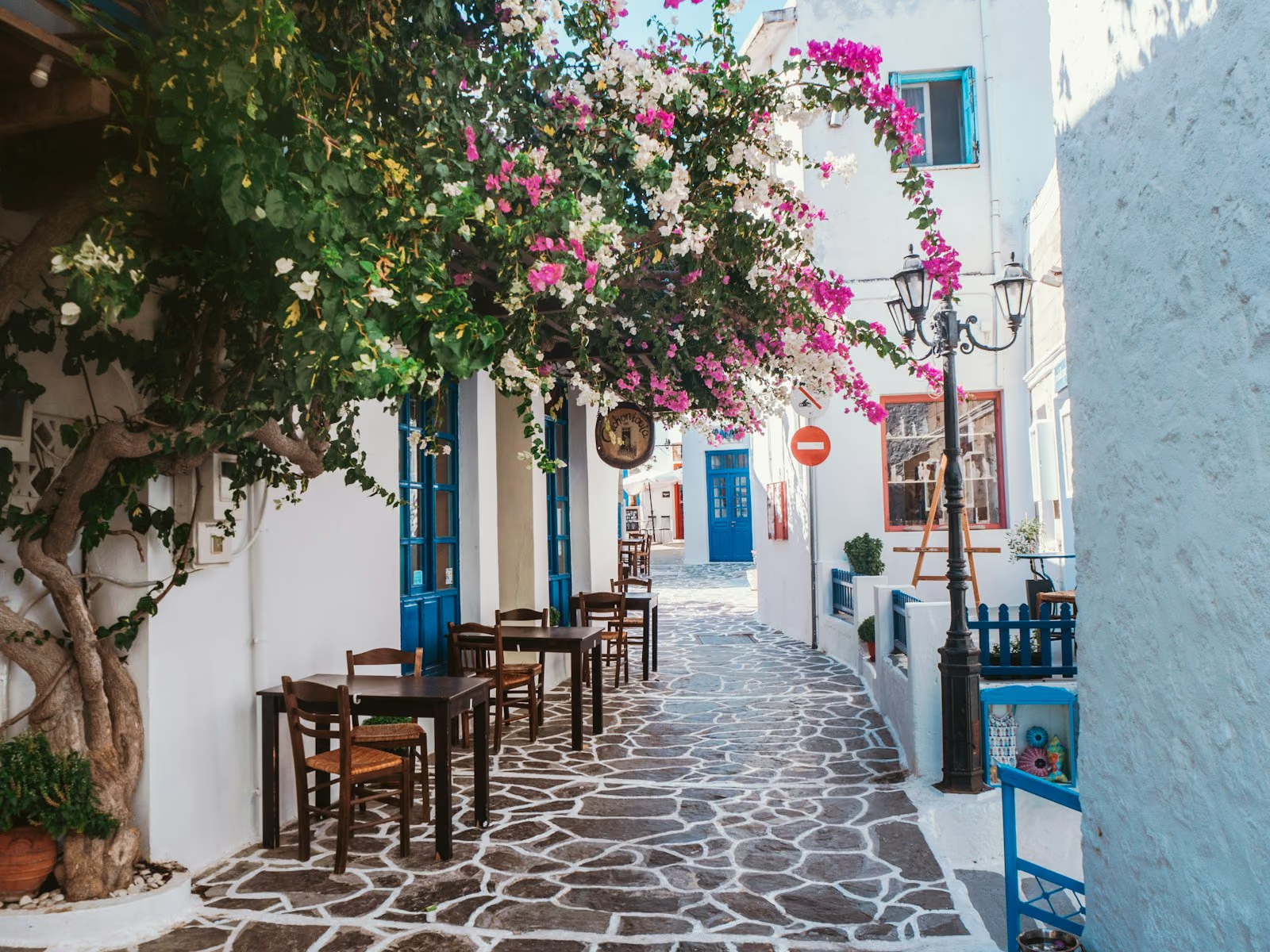
Mykonos
“The Cyclades' loudest, most alive island — and unashamed of it.”
- Signature
- The Cyclades party
- Best for
- beaches · nightlife · food
- Where
- Greece
- Peak months
- May · Jun · Jul · Aug
Whitewashed lanes by day, DJ sets by night.
Here's the thing about Mykonos that nobody mentions until you're already there: the island gets genuinely cold in winter. I'm talking 10°C (50°F) mornings with gray skies and half the tavernas shuttered. So when people ask me when to visit, I don't hedge—May through August is the real season, and there's a reason locals joke that the other eight months are for sleeping. The island averages 10.7 hours of daily sunshine annually, but that's misleading; those sun-soaked months deliver 12+ hours of pure light, while November through February barely scrape 5.
Each of these four months feels like a completely different trip. May is the sweet spot—highs around 26°C (79°F), the sea's finally swimmable, wildflowers still dot the hills, and the crowds haven't yet exploded. By June, you're looking at 28°C (82°F) and the island's festival calendar kicks into gear; the light lingers until nearly 9pm. July and August are the peak heat months—32°C (90°F) is routine, sometimes hotter—but here's where it gets interesting: the famous Meltemia wind kicks in hard, which sounds awful until you realize it makes the heat actually bearable. Prices triple, yes, but the energy is undeniable. August specifically brings Assumption of Mary celebrations if you're into that. Just know you'll be elbow-to-elbow with other travelers.
Winter (November through March) isn't just quiet—it's closed. Not all businesses, but enough that you'll find yourself hunting for an open restaurant at 7pm. October can work as a shoulder month if you don't mind cooler water (around 20°C / 68°F), but rainfall picks up and the light starts fading noticeably. April's technically spring, but it's still unpredictable—cool mornings, warm afternoons, occasional rain. The island gets only 352mm of rain annually, so it's not a monsoon situation, but it's enough to disrupt plans if you hit the wrong week.
Looking at 2026 specifically: we're in a warming trend globally, and Mykonos is no exception. Expect May to feel more like the old June—earlier heat, earlier crowds. The Meltemia wind pattern seems to be shifting slightly later into summer, which means late July could feel oppressively still before the wind picks up. If you've got flexibility, May remains your best bet for that balance of warmth, manageable tourism, and the island actually feeling alive rather than either abandoned or overwhelmed.
Mykonos, four ways.
Every destination is really four destinations, worn by the seasons. Here — the four faces of the year in Mykonos.
When to book, when to skip.
When Mykonos is at its best
No months are especially difficult here.
Flight prices, month by month.
Estimated round-trip fares from London, based on a 7-day stay. Rule-of-thumb pricing — the cheapest windows tend to be the shoulder months, so a shift of a fortnight can pay for a hotel.
★ January looks like the cheapest month for flights to Mykonos — often £76 less than the peak. Fares refresh daily; live prices below.
Book on WayAway →Twelve months, read them each.
Guides mentioning Mykonos

Santorini Weather: A Complete Month-by-Month 2026 Guide
11 complete years of Santorini climate data (2015–2025). Best months for sunsets, calderas, wineries, and honeymoons — plus honest shoulder-season advice.

Santorini vs Mykonos: Which Greek Island Is Better in 2026?
Santorini vs Mykonos — a data-first comparison. Weather, crowds, romance vs nightlife. Which Greek island is right for your trip?
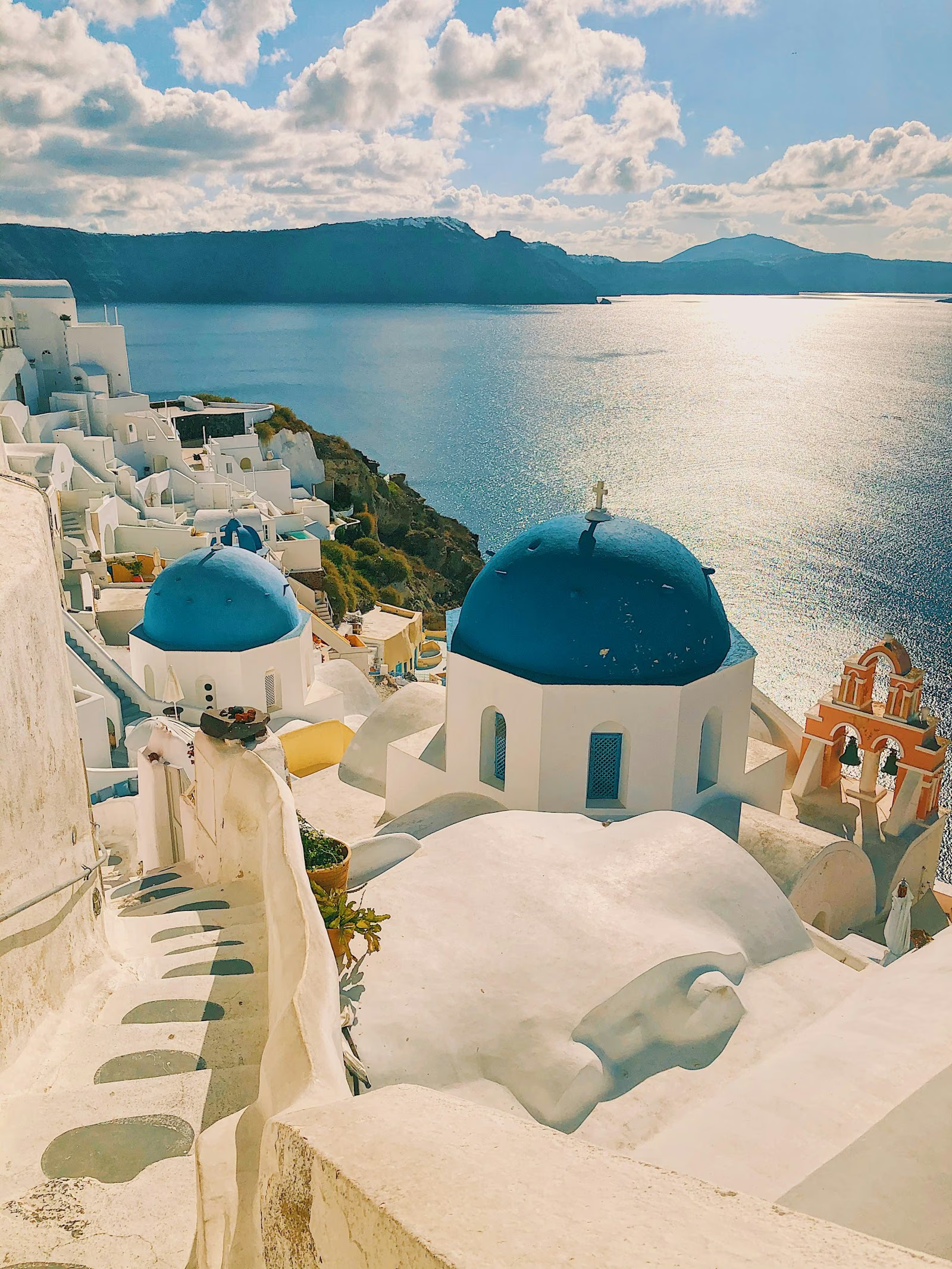
Best Time to Visit Greece: A Month-by-Month 2026 Guide
The best time to visit Greece depends on what you want — Cyclades sunsets, Athens history, or empty beaches. Data-driven verdict for 2026.
Now, book Mykonos.
You have the weather. You have the season. Only one thing left.