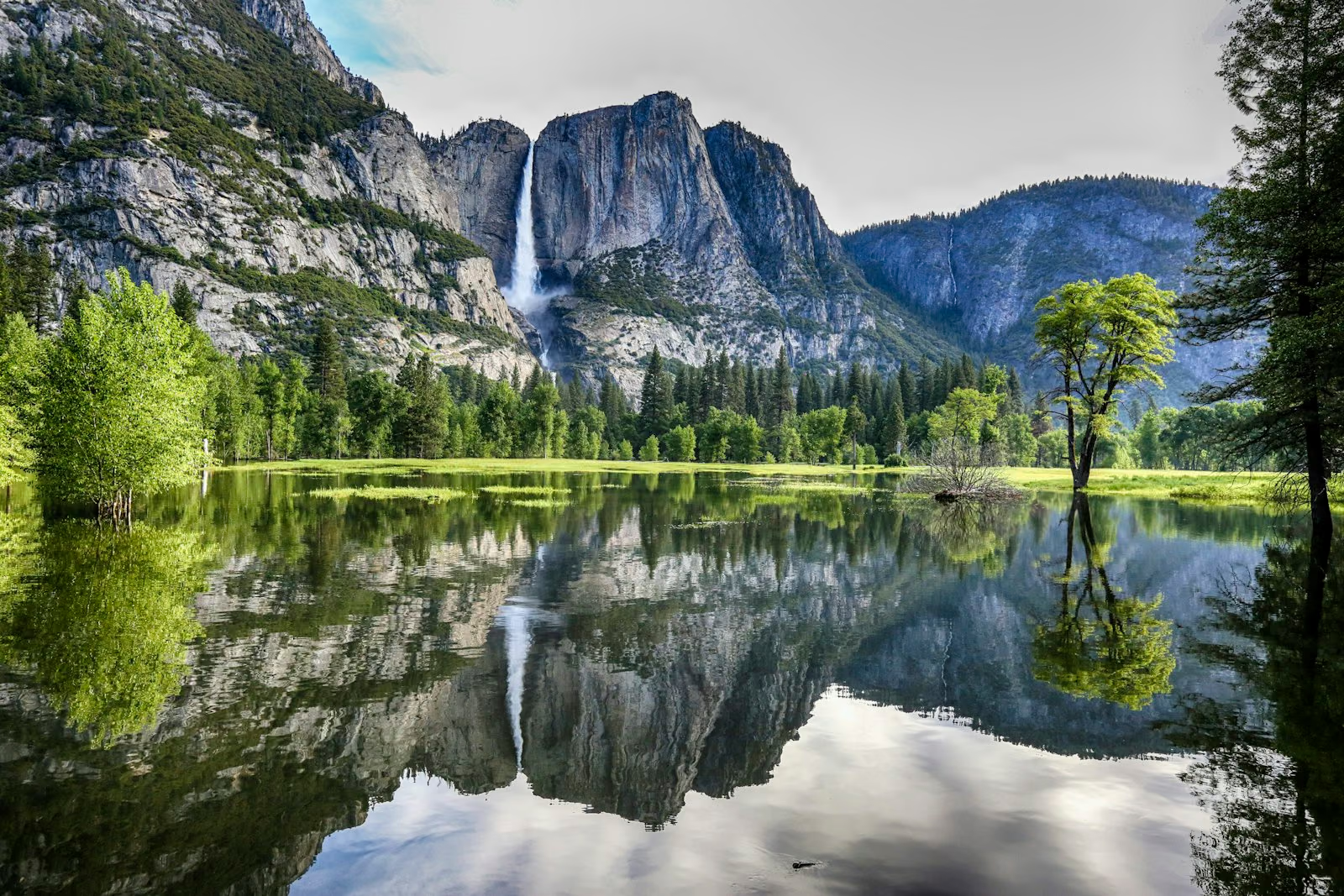
Yosemite
“A cathedral of stone that Ansel Adams spent a lifetime photographing.”
- Signature
- Sierra Nevada wilderness
- Best for
- hikes · climbing · waterfalls
- Where
- United States
- Peak months
- Jun · Jul · Aug · Sep
Granite cathedrals, thundering waterfalls, and giant sequoias.
Here's the thing about Yosemite that catches most people off guard: the park sits at 1,200 meters elevation, which means even summer doesn't feel like a typical California heat wave. Your annual average high is only 9.9°C (50°F) — that's across the whole year, factoring in brutal winters. So when people tell you "summer is perfect," they're right, but not for the reason you'd think. June through September is when the high country actually opens up, when you can breathe at full elevation, and when those granite walls get hit by serious light for 10+ hours daily. Skip January, March, and December entirely — roads close, lodging shuts down, and you're looking at real snow, not Instagram snow.
Each of those four sweet months has its own personality. June is the transition month — waterfalls are still roaring from snowmelt, crowds are moderate, and highs sit around 20–22°C (68–72°F). By July and August, you're in the thick of it: 24–26°C (75–79°F) days, the valley floor gets genuinely busy, but the high country trails are fully accessible and the light lingers until 9pm. September is the sleeper pick — temperatures drop back to around 21°C (70°F), summer crowds thin out noticeably, and the light takes on this golden, late-afternoon quality that makes photographers lose their minds.
January, March, and December aren't just "less crowded" — they're genuinely difficult. Winter storms can close Tioga Pass for weeks, Glacier Point Road doesn't open until late May, and half the lodging is shuttered. March sounds like spring elsewhere, but in Yosemite it's still unpredictable: you might get 60°F (15°C) and sunshine, or you might get sleet. It's a gamble that rarely pays off. Annual rainfall hits 1,133 mm, and a lot of that concentrates in winter months, turning the valley into a muddy, moody place where services are minimal.
Looking at 2026 specifically: climate data suggests Yosemite is trending toward earlier snowmelt and slightly warmer highs in peak season — nothing dramatic, but the window for high-elevation hiking is shifting slightly earlier. Plan around June or early July if you want to catch the waterfalls at full volume, but know that September offers nearly identical weather with far fewer tourists jostling for parking at Tunnel View.
Yosemite, four ways.
Every destination is really four destinations, worn by the seasons. Here — the four faces of the year in Yosemite.
September — October: fall foliage, mild weather, thinning crowds.
When to book, when to skip.
When Yosemite is at its best
When it fights back
Flight prices, month by month.
Estimated round-trip fares from London, based on a 7-day stay. Rule-of-thumb pricing — the cheapest windows tend to be the shoulder months, so a shift of a fortnight can pay for a hotel.
★ January looks like the cheapest month for flights to Yosemite — often £234 less than the peak. Fares refresh daily; live prices below.
Book on WayAway →Twelve months, read them each.
Now, book Yosemite.
You have the weather. You have the season. Only one thing left.