
Buenos Aires weather
11-year climate averages (2015–2025), month by month
Buenos Aires in october
Current month averages, based on 11 complete years of records (2015–2025). Read the full guide →
Buenos Aires sits at 34°36′S 58°22′W in Argentina, in South America. Its climate profile is shaped by these coordinates — and the 11 complete years of records below (2015–2025) reveal exactly how each season feels on the ground.
Below, you'll find monthly averages for temperature, rainfall and sunshine, drawn from the Open-Meteo Archive. Every month links to a full guide with what to pack, where to stay, and when to arrive.
The year in weather
Buenos Aires weather by month
Pick a month for the full climate guide — temperature, rainfall, sunshine, packing tips and hotel deals for Buenos Aires.
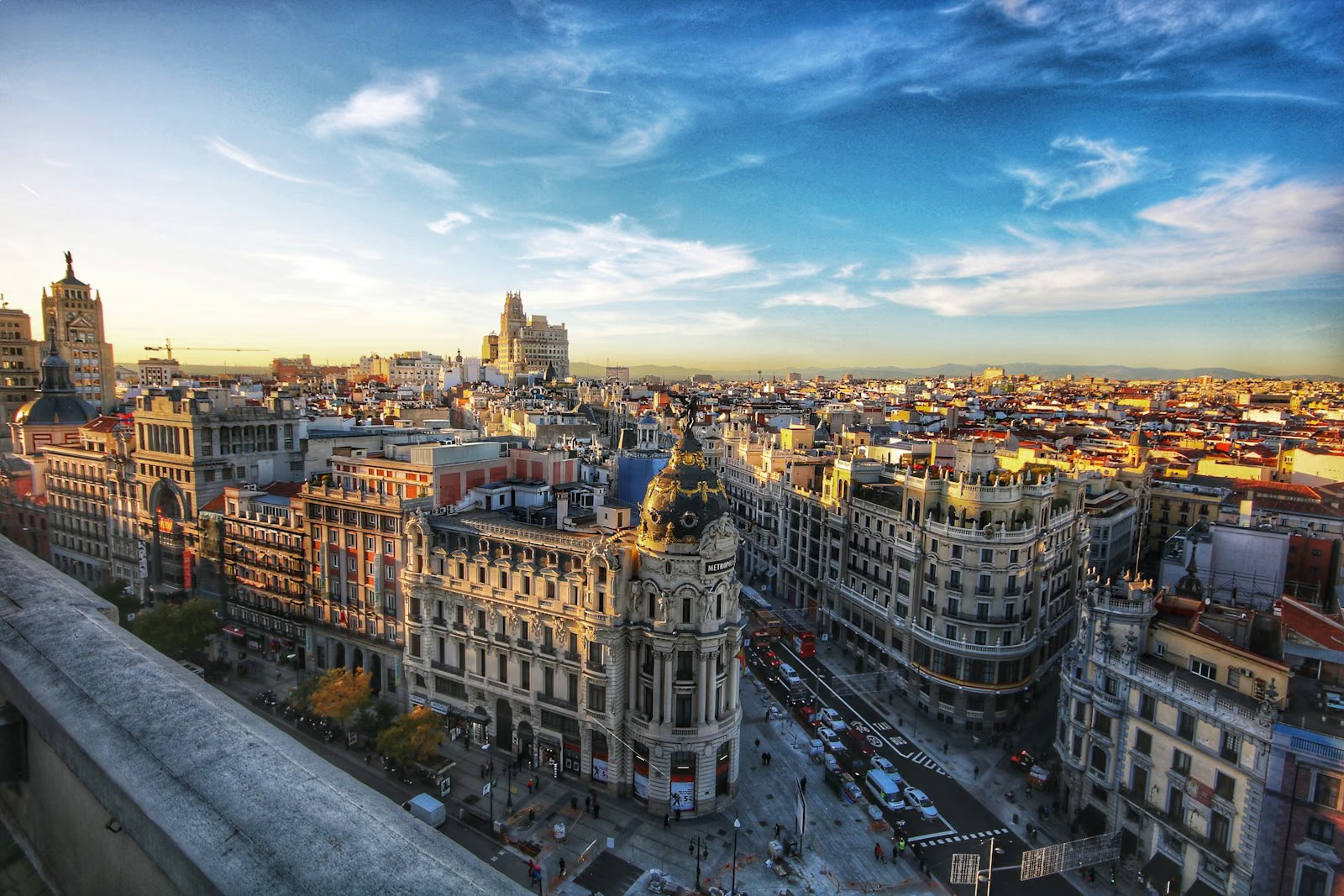
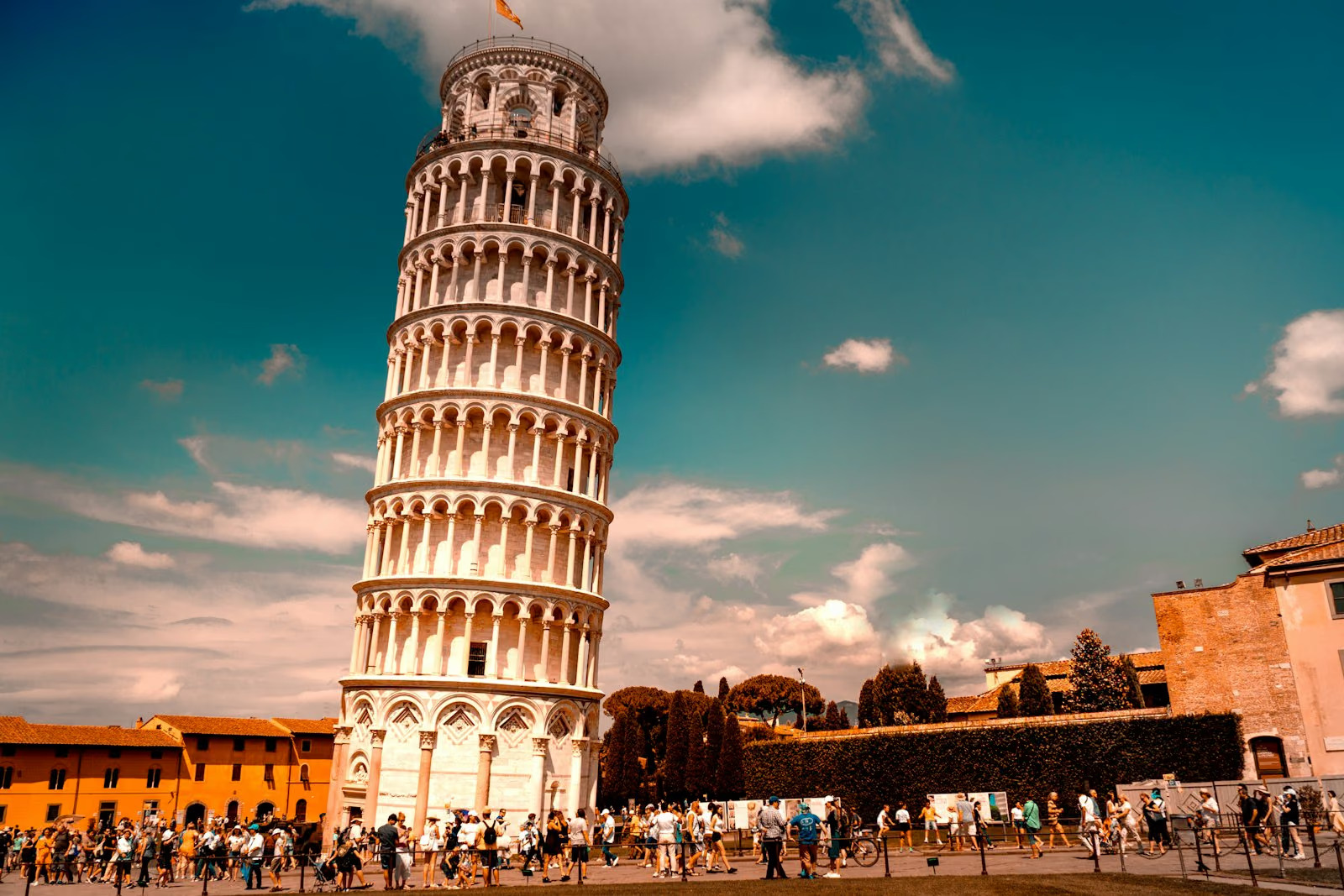
Places that feel like Buenos Aires in october


Buenos Aires weather — FAQ
Q01What is the ideal season to travel to Buenos Aires?
What is the ideal season to travel to Buenos Aires?
The best months to visit Buenos Aires are January, February, November, December. Mid-October Southern Hemisphere spring; jacarandas bloom across Palermo, Puerto Madero terraces reopen, and Colon opera season peaks.
Q02When does Buenos Aires reach its peak summer heat?
When does Buenos Aires reach its peak summer heat?
January runs the highest averages in Buenos Aires, with typical daytime highs of 29°C (83°F). Portenos evacuate to Tigre Delta or Colonia ferry across the Rio de la Plata; Palermo Bosques fills at 8pm mate-drinking crowds only after sunset.
Q03When is winter at its deepest in Buenos Aires?
When is winter at its deepest in Buenos Aires?
July brings the lowest averages, with daytime highs near 14°C (57°F). July damp cold hits harder than the temperature suggests; parillas fire up quebracho charcoal and San Telmo tango milongas run late into the morning.
Q04What is the wettest time of year in Buenos Aires?
What is the wettest time of year in Buenos Aires?
March typically records the highest monthly rainfall — around 129mm on average. Summer sudestada storms flood La Boca and Barracas quickly; the Riachuelo overflows and colectivo buses reroute; taxis refuse Puerto Madero addresses.
Q05What kind of climate does Buenos Aires have?
What kind of climate does Buenos Aires have?
Buenos Aires, Argentina has warm summers, mild winters, moderate seasonal rainfall. Skip Caminito for real La Boca; go with a local to a bombonera match instead. Palermo Soho and Hollywood are hipster central, but Chacarita and Villa Crespo are the new cool. Dinner starts at 10pm sharp; anywhere seating you at 8 is a tourist trap. The blue-dollar cueva money-changer economy is real; western union transfers get you 60 percent more than card rates. Never take the black-and-yellow taxis at Ezeiza; book Cabify. You can read the detailed month-by-month breakdown on this page.