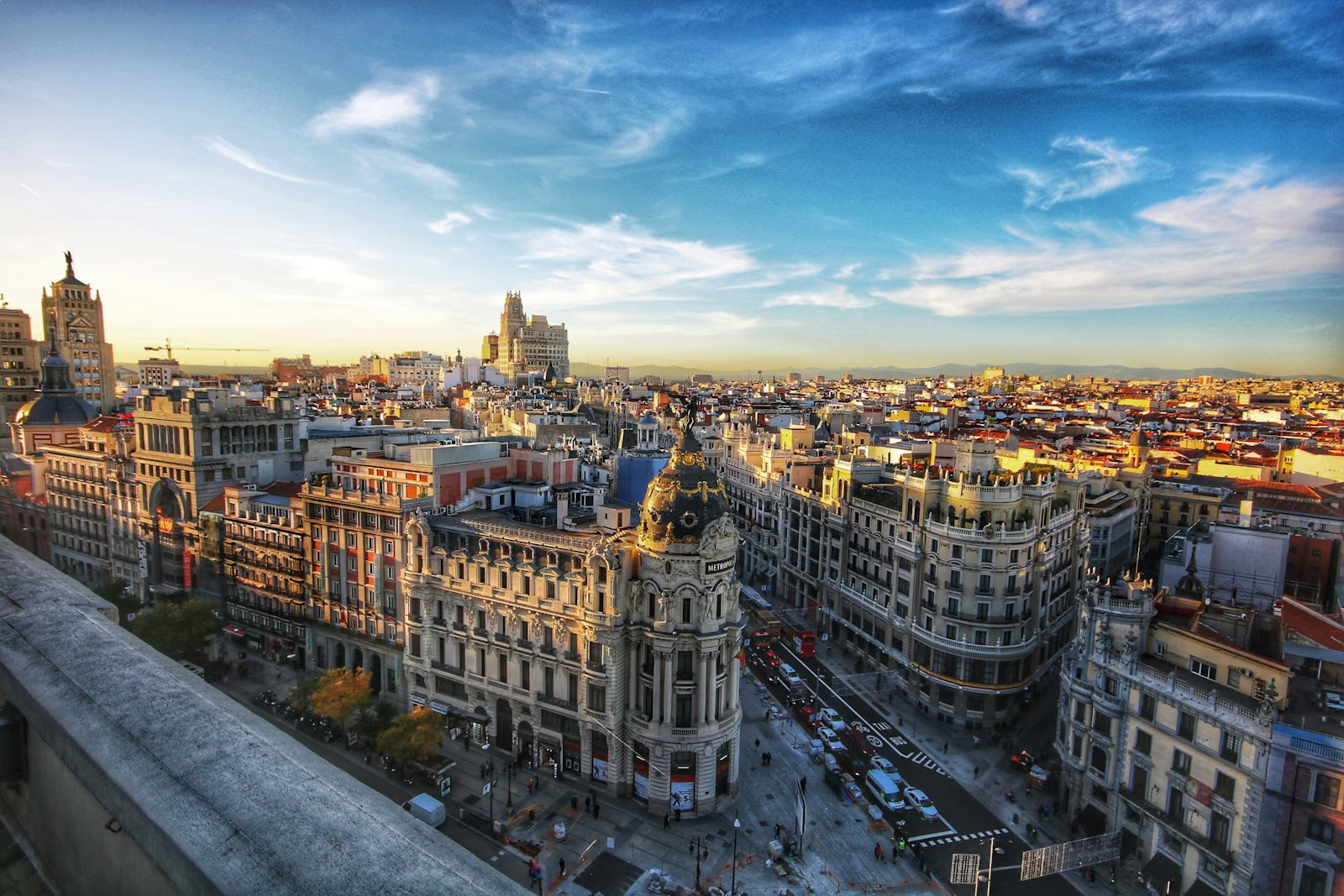
Madrid weather in July
“Reliably warm, dry, and generous with light.”
Roughly 1 rainy days across the month, on average.
July in Madrid is intensely hot and dry. Expect average highs of 34.4°C (94°F) and lows of 20.2°C (68°F), with virtually no rainfall—just 6.6mm across roughly one rainy day. You'll enjoy an impressive 13.9 hours of sunshine daily, making it one of Spain's sunniest months. The heat is relentless, particularly in the afternoons, so plan indoor activities during peak hours.
This is peak summer season in Madrid. While locals often escape to cooler regions or the coast, the city remains lively with open-air concerts, rooftop bars, and evening paseos. Major museums offer extended hours, and outdoor terraces are packed. The atmosphere is festive but crowded, especially around major attractions. Humidity is generally moderate despite the high temperatures.
July 2026 is ideal if you love heat and sunshine, but come prepared for extreme conditions. Book accommodation and popular activities in advance, as this remains one of Madrid's busiest months. Stay hydrated, use strong sunscreen, and embrace the Spanish tradition of a midday siesta to escape the afternoon heat.
Lunch is 2:30pm, dinner is 10pm, and asking otherwise marks you instantly. Malasana bleeds into Chueca via Corredera Alta where the vermut hour peaks Sunday 1pm. The Rastro flea market is Sunday morning only, and the real move is aperitivo at Casa Camacho for a yayo (vermouth-gin-soda). Skip Plaza Mayor restaurants; walk five minutes to Cava Baja instead.
What to pack for Madrid in July
- •Breathable cotton or linen, and a broad-brimmed hat
- •Layers, because the day changes
- •Reef-safe sunscreen and polarised sunglasses
- •Comfortable, broken-in walking shoes
- •A small daypack that won't look like a tourist beacon
What to pack for Madrid in July
- →Quick-dry travel shirtAmazon · shop this
- →UPF sun hatAmazon · shop this
- →Reef-safe sunscreen SPF 50Amazon · shop this
- →Polarized sunglassesAmazon · shop this
- →Universal travel adapterAmazon · shop this
- →Compression packing cubesAmazon · shop this
We may earn a small commission on any purchase — it doesn't change the price you pay.
Where to stay in Madrid
We don't review individual hotels — plenty of people do that well. What we do is send you to compare rooms in Madrid across trusted platforms.
Compare hotels on Booking.com→Estimated July trip to Madrid
Peak season prices — book early or shift by 2–3 weeks to save. Rule-based estimates from a couple based in London — actual prices vary.
We may earn a commission if you book through these links, at no cost to you. Estimates use rule-based averages; check partner sites for live pricing.
Plan your Madrid trip
Handpicked services from partners we trust. One tab for everything you'll need after the flight is booked.
Compare rooms in Madrid on Booking.com.
Skip-the-line tickets, day trips, food walks and guided tours.
Compare fares with cashback on every booking.
Instant data on arrival — no roaming charges, no SIM swap.
Flexible monthly coverage for trips of any length.
Compare 900+ rental brands with free cancellation.
Book a driver in advance — fixed price, no queue.
We may earn a commission if you book through these links, at no cost to you.
Things worth doing
Visit the Prado Museum or Reina Sofía during morning hours, relax at rooftop bars at sunset, explore Retiro Park early morning, enjoy flamenco shows in the evening.
July vs. the rest of the year
How this month compares in Madrid. Tap any month to read more.
highlighted months are among the best time to visit.
Best time to visit Madrid
While July has its own character in Madrid, the data-backed best months to visit Madrid are April, May, June, September. These months combine the most favourable temperatures, rainfall, and sunshine across an 11-year climate record (2015–2025).
See the full best-time-to-visit guide for MadridOther places with a similar climate right now


Madrid in July — FAQ
Q01Is July a good time to visit Madrid?
Is July a good time to visit Madrid?
It is a fair time to visit — expect variable conditions and plan flexibility. In July, Madrid averages a high of 34°C (94°F) and a low of 20°C (68°F), with 7mm of rainfall across roughly 1 rainy days. Late May hits San Isidro festival with chulapos dancing at Pradera and terrace season opens before the July furnace empties the city.
Q02What is the average temperature in Madrid in July?
What is the average temperature in Madrid in July?
The average high temperature in Madrid during July is 34°C (94°F), with an average low of 20°C (68°F). These figures are averaged from 11 complete years of daily records (2015–2025, Open-Meteo Archive). August is a ghost town: Madrilenos flee north, half the barrio bars shutter, and survivors hit rooftop Circulo de Bellas Artes after midnight.
Q03How many rainy days does Madrid have in July?
How many rainy days does Madrid have in July?
Madrid averages approximately 1 rainy days in July, with a total monthly rainfall of about 7mm. This is based on daily precipitation records where days with 1mm or more of rain are counted as rainy days.
Q04What should I pack for Madrid in July?
What should I pack for Madrid in July?
For Madrid in July, pack light, breathable clothing (cotton or linen), sunscreen and sunglasses, comfortable walking shoes. These recommendations are based on 11 complete years of weather averages for this specific month. Comfortable walking shoes with grip: the granite paving on Calle de las Huertas turns into a skating rink when wet.
Q05How crowded is Madrid in July?
How crowded is Madrid in July?
Tourist crowds in Madrid during July are typically high — this is peak season, expect crowds and higher prices. Consider this when planning accommodation — prices track crowd levels closely. Lunch is 2:30pm, dinner is 10pm, and asking otherwise marks you instantly. Malasana bleeds into Chueca via Corredera Alta where the vermut hour peaks Sunday 1pm. The Rastro flea market is Sunday morning only, and the real move is aperitivo at Casa Camacho for a yayo (vermouth-gin-soda). Skip Plaza Mayor restaurants; walk five minutes to Cava Baja instead.